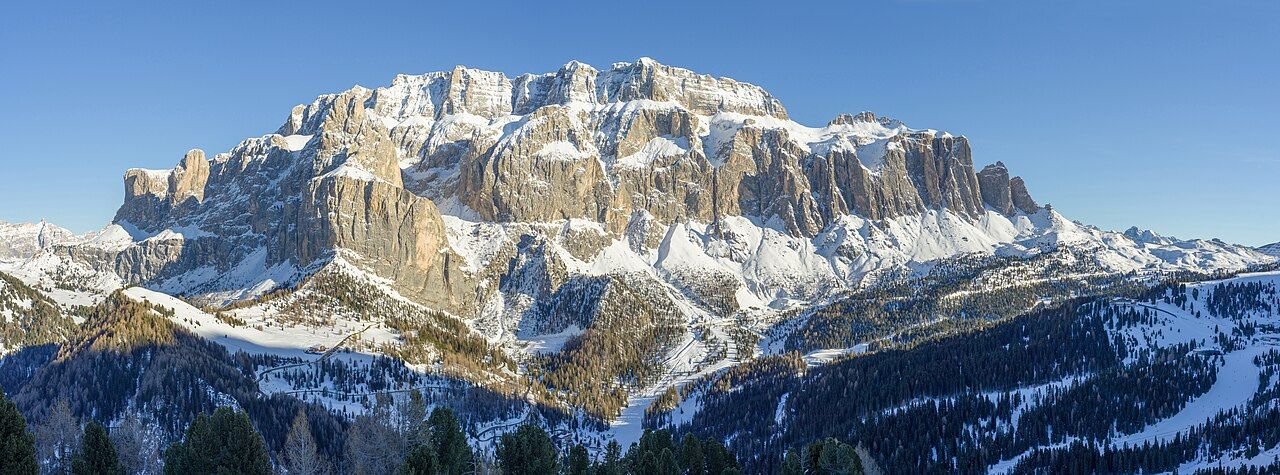
January is the cheapest and quietest month to visit Italy. After Epiphany on 6 January the holiday crowds leave, hotel prices in Rome, Florence and Venice fall to their yearly minimum and you can see the Sistine Chapel or the Uffizi without a queue. The trade-off is cold weather, short days and a closed coast.
January weather in Italy
| City | Low / high | What to expect |
|---|---|---|
| Milan | −1 / 6°C | Cold, fog, occasional snow |
| Venice | 0 / 7°C | Cold, humid, misty |
| Florence | 2 / 11°C | Cold mornings, some rain |
| Rome | 3 / 12°C | Cool, many clear days |
| Naples | 5 / 13°C | Mild, changeable |
| Palermo | 10 / 15°C | Mild, some rain |
| Dolomites (1,500 m) | −9 / 0°C | Reliable snow |
1. Rome, Florence and Venice without crowds
From 7 January to the end of the month the three most visited cities in Italy are at their calmest. Hotels cost 40–60% less than in May and tickets for the Vatican Museums, the Uffizi and the Doge's Palace are available the same day. Venice in the winter mist, with no cruise passengers, is how Venetians like it best. Start from our Rome itinerary, Florence guide and Venice tips.
2. The Alps: the cheapest ski weeks
Schools reopen on 7 January and the slopes empty. Until the end of the month, hotels and ski passes in the Dolomites and the Aosta Valley cost far less than at Christmas or in February, and the snow is usually at its best. Ortisei, Alta Badia, Madonna di Campiglio and Cervinia are reliable choices.
3. Hot springs
January is the right month for Italy's thermal baths. In Tuscany the free Cascate del Mulino at Saturnia stay at 37°C all year, and Bagno Vignoni has pools looking over the Val d'Orcia. In the Alps try Bormio or the Merano baths, where you swim outdoors surrounded by snow.
4. Sicily and Naples
In the south, winter is mild. Palermo, Syracuse and Catania have 14–15°C, oranges are in season and from late January the first almond trees bloom around Agrigento. Naples offers museums, pizza and an empty Pompeii.
Events in January 2027
- 1 January: national holiday. Most museums are closed.
- 6 January – Epiphany: national holiday. The Befana brings sweets to children: fair in Piazza Navona in Rome, the Befana regatta on the Grand Canal in Venice, the procession of the Magi in Florence.
- Winter sales: they start in the first days of January and last about two months, with discounts of 30–50% from the first day.
- 3 January: free entry to state museums, as on every first Sunday of the month.
- 16–17 January – Sant'Antonio Abate: bonfires in villages across the centre and south. In Mamoiada, Sardinia, the masked mamuthones make their first appearance of the year.
- 30–31 January – Fiera di Sant'Orso in Aosta: over a thousand craftspeople in the streets, a fair that has been held for about a thousand years.
- Late January: the first events of the Venice Carnival.
What is closed in January
- Most hotels and restaurants on the Amalfi Coast, in the Cinque Terre, on the lakes and on the small islands. Ferries run a reduced timetable.
- Many family restaurants close for two or three weeks of holiday after Epiphany, also in the cities.
- The highest Alpine passes, such as the Stelvio and the Gavia, until late May.
Prices and booking
Outside the ski resorts you rarely need to book more than a few days ahead. The only expensive days are 1–6 January. For skiing, the best value is the period from 10 to 31 January.
Travelling a month later? Read Italy in February.