Discover authentic Tuscany
Beyond Florence and Siena: the wild Maremma, Etruscan cliff towns of Pitigliano and Sovana, silent Crete Senesi.
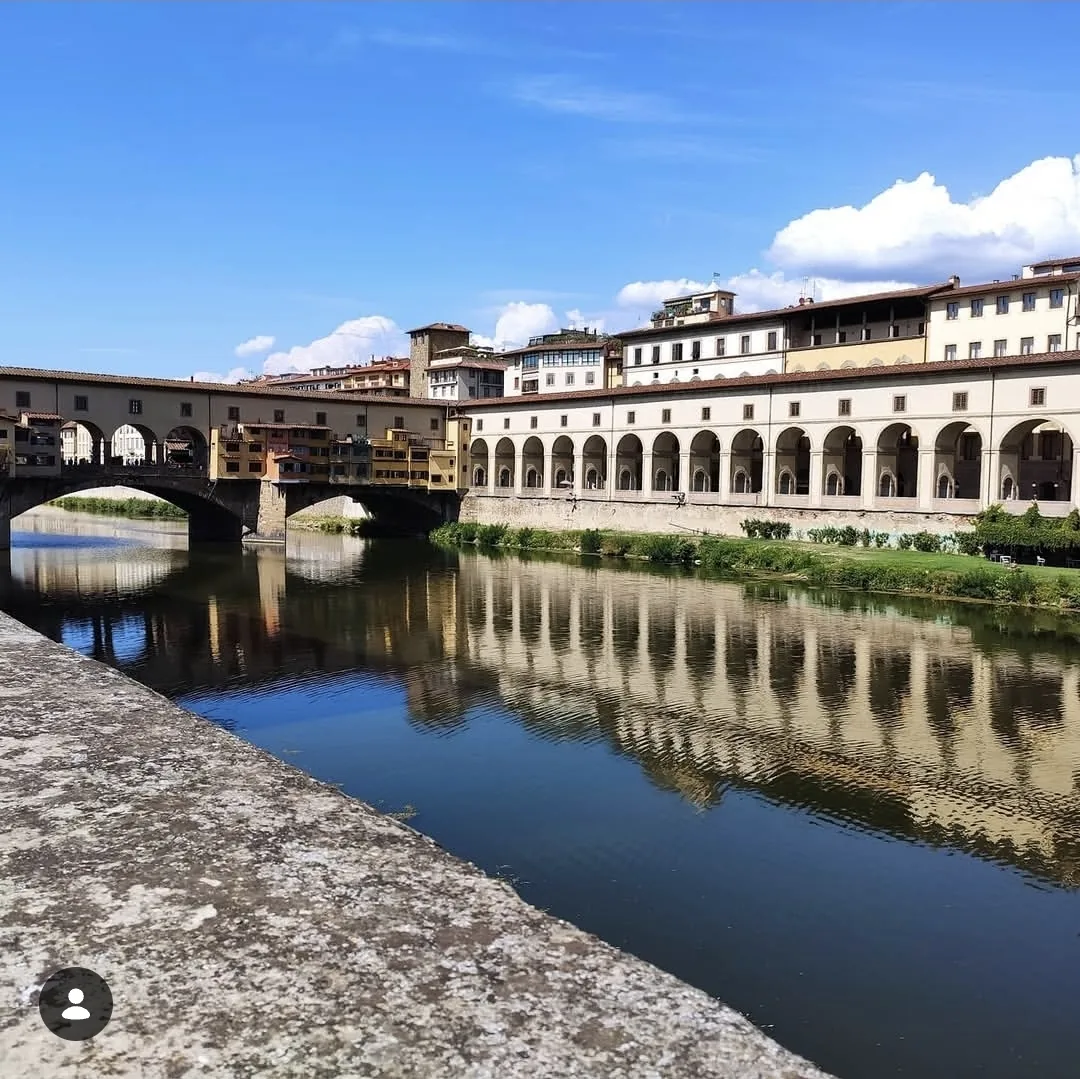
Italy's most famous region, Tuscany defines what the world imagines when it thinks 'Italy': rolling hills with cypresses, medieval hilltop villages, Renaissance art, Chianti wine, Florentine bistecca. Florence, capital of the Renaissance and one of UNESCO's most concentrated heritage cities, holds Brunelleschi's Duomo, Michelangelo's David, Uffizi, Ponte Vecchio. Siena is the Gothic medieval counterpoint, with the Palio horse race in Piazza del Campo (July 2, August 16). Pisa's Leaning Tower needs no introduction. San Gimignano's 14 medieval tower-houses are UNESCO. The Val d'Orcia (Pienza-Montalcino-Montepulciano) is UNESCO landscape — picture-postcard countryside producing Brunello, Vino Nobile, Pecorino. Chianti hills lie between Florence and Siena. Volterra holds Etruscan alabaster heritage. The Maremma in southern Tuscany offers wild cowboy country (butteri). Cuisine: bistecca alla Fiorentina, ribollita, pappa al pomodoro, pici al cinghiale, panforte, cantucci.
ItalyGo's database includes 756+ hand-curated places across all 20 Italian regions, with realistic visit times, seasonal advice and travel routes optimised for your real pace — not generic tourist itineraries.
Places most travellers never find
These are the destinations that make Tuscany extraordinary — hand-curated by ItalyGo, not found in standard travel guides.
What to visit in Tuscany
Explore 6 curated destinations
Each linked page below gives you in-depth tips, best time to visit, getting there and 5 FAQs.
Frequently asked questions about Tuscany
What is the best time to visit Tuscany?
The best months to visit Tuscany are April, May, September, October. Tourist crowds are smaller and prices lower compared to high season.
What are the hidden gems of Tuscany?
The most underrated destinations in Tuscany are: Pitigliano, Sovana, Anghiari, Montefioralle, Castelmuzio. These villages and natural sites are largely overlooked by mass tourism.
How many days do you need in Tuscany?
For Tuscany, 4-7 days allow you to explore the main attractions and 2-3 hidden gems. ItalyGo generates a personalised itinerary based on your interests and timeframe.
Is Tuscany good for first-time visitors to Italy?
Tuscany is one of the most popular regions for first-timers. Combining famous sites with off-the-beaten-path discoveries gives the richest experience.
Is ItalyGo's Tuscany planner free?
Yes, ItalyGo's Tuscany itinerary generator is completely free. No signup required. It creates a day-by-day route with hidden gems, realistic travel times and seasonal advice.
Explore Toscana destination by destination
In-depth travel guides for the most iconic and hidden places in this region. Each guide includes best time to visit, things to do, insider tips and how to reach them.
Hidden villages of Tuscany
San Gimignano (UNESCO 14 medieval tower-houses), Pienza (Pope Pius II's Renaissance ideal city), Montepulciano (Vino Nobile wine town), Montalcino (Brunello wine town), Sovana (Etruscan rock tombs), Anghiari (medieval battle of Leonardo's lost fresco), Cortona (under-the-Tuscan-sun town with Etruscan walls), Volterra (Etruscan alabaster city).
These places make Tuscany different from the standard tourist circuit. Each represents an authentic slice of Italian life: villages where the rhythm of daily life hasn't changed in centuries, where the local dialect is still spoken in the cafés, and where dinner is a 3-hour conversation rather than a meal.
Food specialties of Tuscany
Bistecca alla Fiorentina (T-bone steak, 1kg+ for two, rare only), Pappa al pomodoro (bread + tomato soup), Ribollita (vegetable + bread stew), Pici al cinghiale (thick spaghetti with wild boar), Crostini neri (chicken liver), Cantucci con vin santo (almond cookies dipped in sweet wine), Lampredotto sandwich (tripe), Panforte, Castagnaccio. Wines: Chianti Classico DOCG, Brunello di Montalcino DOCG, Vino Nobile di Montepulciano DOCG, Bolgheri Sassicaia DOC (Super-Tuscan).
Italian regional cuisine is the most diverse in Europe. What unites all 20 regions is fierce local pride — every village claims the authentic version of a dish. In Tuscany you'll discover techniques and ingredients found nowhere else, often DOP (protected) or IGP (indication) certified to guarantee origin and tradition.
Best time to visit Tuscany
Best months: April-June and September-October. July-August is hot (35°C+) and Tuscan-packed but Palio di Siena (July 2 and August 16) is legendary. Mid-September to mid-October: grape harvest in Chianti. November: white truffle hunting season around San Miniato. Easter Sunday Scoppio del Carro (Florence) — fireworks-laden cart explodes.
Italian seasons matter more than in most countries because life moves with the agricultural calendar. Local festivals (sagre), grape harvests, olive pressings, white truffle hunts, transhumance — they all happen on specific weeks, and being there at the right moment transforms a trip from tourist itinerary to anthropological experience.
Day trips from Tuscany
Chianti wine route (Greve, Castellina, Radda, Gaiole), Val d'Orcia UNESCO (Pienza-Montalcino-Montepulciano), San Gimignano towers, Volterra Etruscan alabaster, Lucca walls (1h from Florence), Pisa Tower (1h from Florence), Maremma coast (3h south), Crete Senesi clay hills, Forte dei Marmi luxury beach.
ItalyGo's day-trip suggestions are built around realistic travel times (we know Italian roads — they're not always fast). Each destination listed above can be reached as a half-day or full-day excursion from Tuscany's main hubs. For multi-day itineraries combining several destinations, use our free itinerary planner above.
Pre-built itineraries for Tuscany
5-day classic: Florence (3 nights) → Pisa → Lucca → Siena (2 nights).
7-day complete: Add San Gimignano + Chianti wine route + Val d'Orcia (Pienza-Montalcino-Montepulciano).
10-day deep: Add Volterra + Cortona + Anghiari + Pitigliano-Sovana + Maremma coast + Forte dei Marmi luxury.
For more flexible itineraries, use the free planner above — it generates custom day-by-day routes based on your interests, days available, season, and travel pace.
Travel tips for Tuscany
Transport: trains good Florence-Pisa-Lucca-Siena. Car needed for Chianti and Val d'Orcia. Best base: Florence (city + day-trips), Siena (medieval), Lucca (walled). Palio booking: if you want Palio square access, get there 4 hours early or book a window from a contrada palace (€200+). Best gelato: Vivoli (Florence), Nannini (Siena).
All recommendations on ItalyGo are based on direct knowledge of the territory, not algorithms or sponsored content. We don't take money for placement, which means our hidden gems are genuinely hidden — and our warnings about tourist traps are real.
Read more about Italy
In-depth articles to plan your trip with insider knowledge:
📖 Leggi anche: Italy in July
Free, personalised, day-by-day — with hidden gems most guides never mention. No signup required.
Create my Tuscany itinerary →