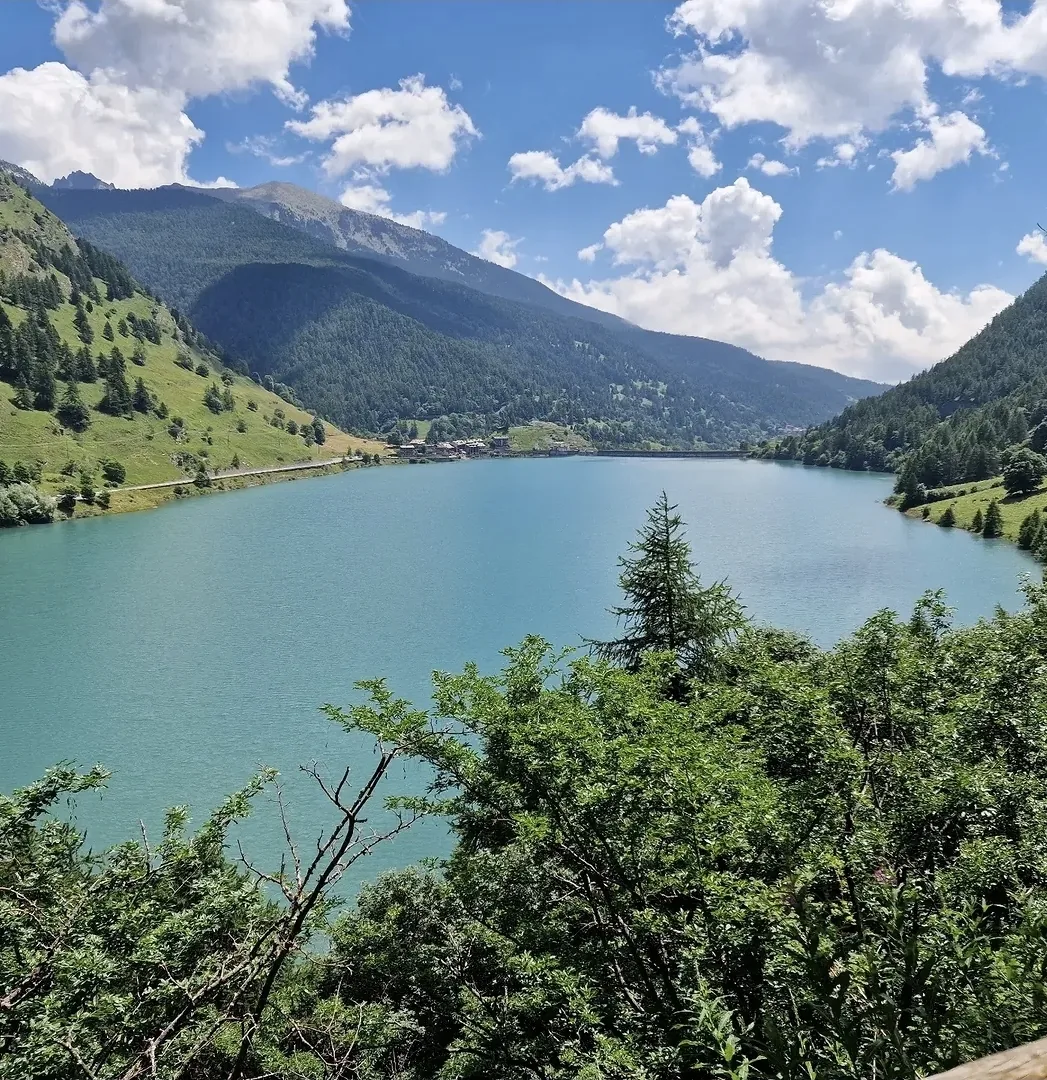
Discover authentic Aosta Valley
Italy's smallest region: Mont Blanc, the Matterhorn, Roman monuments and medieval castles in a single Alpine valley.
🗺️ Destinazioni in evidenza
Italy's smallest and least-populated region (only 125,000 inhabitants), Valle d'Aosta sits at the foot of Mont Blanc, Cervino (Matterhorn), and Monte Rosa — four of Europe's highest peaks. Bilingual (Italian and French), it shares more cultural heritage with French Savoy than with the rest of Italy. Roman emperor Augustus founded Aosta as Augusta Praetoria in 25 BC, and the city's Roman walls, theatre, and underground cryptoporticus are among the best-preserved in northern Europe. The valley is a paradise for skiers in winter (Courmayeur, La Thuile, Cervinia) and hikers in summer (Gran Paradiso National Park, Italy's first, established 1922). For travellers seeking authentic Alpine Italy away from over-touristed paths, Valle d'Aosta offers castles, fortresses, and a Walser German-speaking enclave in Gressoney that few foreign visitors discover.
ItalyGo's database includes 756+ hand-curated places across all 20 Italian regions, with realistic visit times, seasonal advice and travel routes optimised for your real pace — not generic tourist itineraries.
Places most travellers never find
These are the destinations that make Aosta Valley extraordinary — hand-curated by ItalyGo, not found in standard travel guides.
What to visit in Aosta Valley
Explore 1 curated destinations
Each linked page below gives you in-depth tips, best time to visit, getting there and 5 FAQs.
Frequently asked questions about Aosta Valley
What is the best time to visit Aosta Valley?
The best months to visit Aosta Valley are June, July, September, December–February. Tourist crowds are smaller and prices lower compared to high season.
What are the hidden gems of Aosta Valley?
The most underrated destinations in Aosta Valley are: Castello di Fénis, Lago Blu di Champorcher, Cogne, Gressoney-Saint-Jean, Arnad. These villages and natural sites are largely overlooked by mass tourism.
How many days do you need in Aosta Valley?
For Aosta Valley, 4-7 days allow you to explore the main attractions and 2-3 hidden gems. ItalyGo generates a personalised itinerary based on your interests and timeframe.
Is Aosta Valley good for first-time visitors to Italy?
Aosta Valley offers an authentic experience away from over-touristed routes. Combining famous sites with off-the-beaten-path discoveries gives the richest experience.
Is ItalyGo's Aosta Valley planner free?
Yes, ItalyGo's Aosta Valley itinerary generator is completely free. No signup required. It creates a day-by-day route with hidden gems, realistic travel times and seasonal advice.
Explore Valle Daosta destination by destination
In-depth travel guides for the most iconic and hidden places in this region. Each guide includes best time to visit, things to do, insider tips and how to reach them.
Hidden villages of Valle d'Aosta
Bard (medieval fort village watching over the entry to the valley), Etroubles (open-air sculpture museum at 1,270m on the Great St Bernard road), Gressoney-Saint-Jean (German-speaking Walser village in the Monte Rosa valley), Cogne (gateway to Gran Paradiso National Park), Pré-Saint-Didier (Roman-era thermal town), Donnas (Roman road carved through rock), and Issogne (medieval castle of the Challant family).
These places make Valle d'Aosta different from the standard tourist circuit. Each represents an authentic slice of Italian life: villages where the rhythm of daily life hasn't changed in centuries, where the local dialect is still spoken in the cafés, and where dinner is a 3-hour conversation rather than a meal.
Food specialties of Valle d'Aosta
Fontina DOP cheese (made only here, used in fonduta), Lard d'Arnad DOP (cured pork fat with herbs), Mocetta (cured beef or chamois), Carbonade (wine-braised beef stew), Polenta concia (with fontina and butter), Seupa à la valpellineintse (bread-cheese-cabbage soup). Local wines: Petit Rouge, Müller Thurgau, Blanc de Morgex (highest vineyards in Europe at 1,200m).
Italian regional cuisine is the most diverse in Europe. What unites all 20 regions is fierce local pride — every village claims the authentic version of a dish. In Valle d'Aosta you'll discover techniques and ingredients found nowhere else, often DOP (protected) or IGP (indication) certified to guarantee origin and tradition.
Best time to visit Valle d'Aosta
Best months: June to early September for hiking and the Gran Paradiso wildlife (ibex, marmots), December to March for skiing in Courmayeur and La Thuile. Avoid November and May — rifugi closed, ski slopes closing. October has gorgeous fall colors but unpredictable weather. The Bataille de Reines (queen cow contest) happens late October — unique cultural event.
Italian seasons matter more than in most countries because life moves with the agricultural calendar. Local festivals (sagre), grape harvests, olive pressings, white truffle hunts, transhumance — they all happen on specific weeks, and being there at the right moment transforms a trip from tourist itinerary to anthropological experience.
Day trips from Valle d'Aosta
Mont Blanc & Skyway (Italian side cable car to 3,466m, year-round), Gran Paradiso National Park (Italy's first national park, 1922), Castello di Fénis (most photogenic medieval castle), Roman ruins of Aosta (best-preserved Roman city in northern Italy), Forte di Bard (massive 19th-century fortress with museums), Lake Place Moulin (alpine dam lake), and Pila (ski resort with hiking in summer).
ItalyGo's day-trip suggestions are built around realistic travel times (we know Italian roads — they're not always fast). Each destination listed above can be reached as a half-day or full-day excursion from Valle d'Aosta's main hubs. For multi-day itineraries combining several destinations, use our free itinerary planner above.
Pre-built itineraries for Valle d'Aosta
3-day classic: Aosta (Roman ruins, walking tour) → Cervinia/Cervino views → Courmayeur (Skyway Monte Bianco cable car).
5-day nature: Add Gran Paradiso NP hiking (Cogne, Valnontey valley) + Saint-Pierre castle.
7-day deep dive: Add Gressoney (Walser culture) + Bard fortress + Forte di Bard museums + Fenis castle photoshoot.
For more flexible itineraries, use the free planner above — it generates custom day-by-day routes based on your interests, days available, season, and travel pace.
Travel tips for Valle d'Aosta
Transport: car essential — public transport limited. Currency: Euro (but French is co-official). Language tip: locals appreciate French/Italian mix. Best base: Aosta (most central). Cable cars for Mont Blanc and Cervinia run year-round.
All recommendations on ItalyGo are based on direct knowledge of the territory, not algorithms or sponsored content. We don't take money for placement, which means our hidden gems are genuinely hidden — and our warnings about tourist traps are real.
Read more about Italy
In-depth articles to plan your trip with insider knowledge:
Free, personalised, day-by-day — with hidden gems most guides never mention. No signup required.
Create my Aosta Valley itinerary →